

 By
By 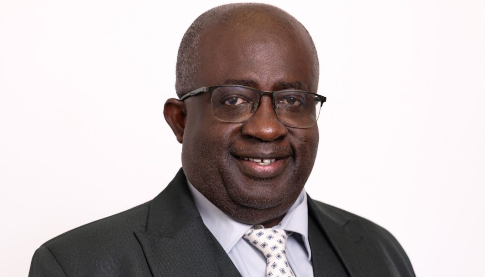
 Top Guide: How will the Petroleum Hub enhance West Africa’s energy independence, and what opportunities does it present for investors?
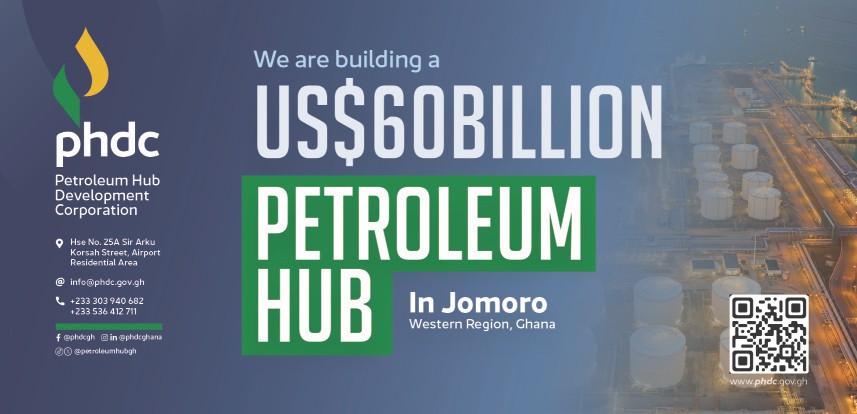
Tony Aubynn: The Petroleum Hub is a very ambitious and audacious project. We will develop three refineries with a capacity of 900,000 barrels per stream day, as well as five petrochemical plants. These will produce fertiliser and polypropylene from the by-product of gas and fuels. We also intend to build two jetties with port infrastructure, because the depth of the sea in Jomoro can handle any vessel. Additionally, we will build tank farms with a capacity of 10 million cubic metres.
Beyond this core infrastructure, the Hub will be a complete city of the petrochemical industry. We will build hospitals, transport facilities, and laboratories to support the main industry. This will be the first project of its kind in West Africa and Africa as a whole. While some of our sister countries have a refinery or two, and some may have a few tank farms, having all of these in a single enclave has not been done in Africa. We want to pioneer this for the benefit of both Ghana and Africa.
The Hub holds a huge opportunity for investors. Our region spends about $15 billion annually on importing refined fuel. When our Hub is developed, it can serve the subcontinent, and we will no longer need to go far away for fuel. The opportunities are enormous. We are happy to offer this project so the subregion can take advantage of it. With the advent of the African Continental Free Trade Area, countries can bring their crude from Namibia, Angola, and other places at a lower cost, as it will be customs-free.
THE HUB HOLDS A HUGE OPPORTUNITY FOR INVESTORS. OUR REGION SPENDS ABOUT $15 BILLION ANNUALLY ON IMPORTING REFINED FUEL. WHEN OUR HUB IS DEVELOPED, IT CAN SERVE THE SUBCONTINENT AND WE WILL NO LONGER NEED TO GO FAR AWAY FOR FUEL. THE OPPORTUNITIES ARE ENORMOUS.
TG: You have stressed that the petroleum hub is future-proofed, integrating green hydrogen, carbon capture, low-carbon infrastructure, and positioning gas as a transition fuel. Can you elaborate on planned investment opportunities in these green tech verticals and the projected ROI timeline for investors in low-carbon technologies?
TA: Yes, this hub is truly future-proof by design and by necessity. Gas will serve as a primary energy source not without its challenges, but it is significantly cleaner than traditional black fuels and offers a reliable bridge in the transition process. Alongside gas, we’re leveraging Ghana’s abundant solar resources. Solar energy will power much of the hub’s ancillary infrastructure, setting the tone from day one. Beyond that, we’re looking ahead to green hydrogen production and are actively seeking investors in this space. We’re also exploring carbon sequestration opportunities and encouraging investment into that as well.
Ultimately, we believe this hub will help secure the energy future not just for Ghana, but for the entire West African subregion. We’re not abandoning fossil fuels overnight the energy transition is about moving gradually and strategically toward cleaner sources. For Africa, which is only now beginning to tap into its fossil fuel reserves, we must use these resources wisely to fund and power our transition into the next-generation energy economy. And we’re calling on investors to join us.
TG: How do you plan to expand the hub’s export infrastructure to serve West Africa, and what role will private capital play in scaling this regional energy gateway?
TA: Our focus is firmly on exports, as the hub is situated within a free zones enclave. This status comes with several advantages. For instance, Ghana has approved a 10-year tax-free period for businesses operating within the enclave. Once infrastructure is in place and production begins, companies enjoy this tax holiday. After 10 years, the corporate tax rate is just 15 percent — significantly lower than the 35 percent rate paid by mining companies.
In addition, major infrastructure investments such as refineries, jetties, and petrochemical plants benefit from duty-free importation of equipment. There are no tariffs on those imports. Beyond the fiscal incentives, we also offer strong institutional support, particularly around regulatory approvals and permitting. Ordinarily, it could take up to 349 days for a petrochemical company to secure all the necessary permits. In our estimation, most investors would abandon the process well before that — typically by day 200. Our goal is to cut that down to 30 days.
One of the key advantages is that investors will not need to interface directly with multiple regulators. There is no need to visit the Environmental Protection Agency one day, then the Water Resources Commission the next. Instead, investors simply submit their completed documentation to us, and the Petroleum Hub Development Corporation (PHDC) will handle the rest. We serve as a one-stop shop — removing the burden of bureaucracy and enabling businesses to focus on execution.
Top Guide: Are there any particular projects you would like to highlight for our audience of global investors?
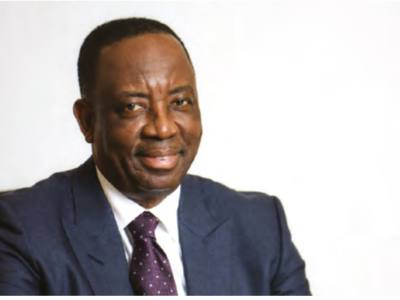
Simon Madjie: The Government of Ghana is prioritising targeted investment projects across key sectors to drive inclusive economic development. In agriculture, specific projects include the establishment of 50 farmer mechanisation centres to boost productivity and support value chain development. In the health sector, some projects include completion of the Agenda 111 hospitals, construction of a 500-bed children’s hospital and cancer treatment centre, and expansion of the Ridge Hospital into a teaching hospital. The Tourism sector presents opportunities for the refurbishment of Osu Castle and the revival of the Marine Drive Project, which aims to transform over 240 acres of Accra’s coastline into a vibrant commercial and cultural hub.
Under the US$10 billion “Big Push” infrastructure programme, the government is prioritising roads and transport systems. Key highway upgrades include the dualisation of the Accra-Kumasi, Accra-Takoradi, and Accra-Aflao roads. In the energy sector, the government plans to construct a second gas processing plant, three oil refineries, five hydrochemical plants, and ten tank farms to expand processing capacity and increase the value derived from Ghana’s hydrocarbon resources.







Comments