

 By
By 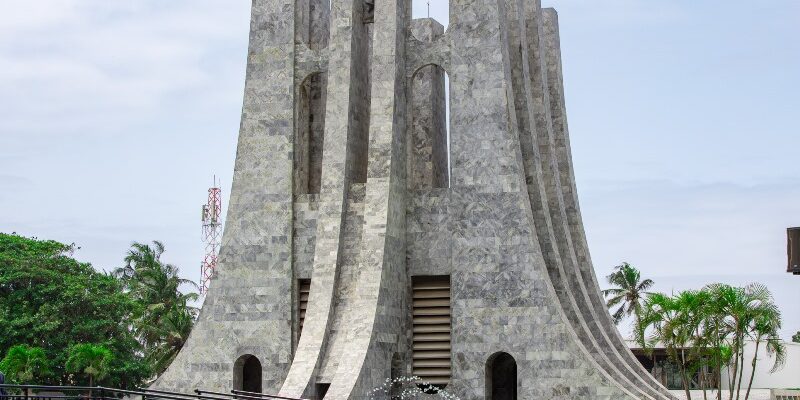
Ghana’s recreation and tourism sector is founded on its rich cultural and diverse heritage, embodied in its forts and castles, vibrant festivals, and intricate arts and crafts. The country boasts an array of natural attractions, including evergreen forests, majestic mountains, serene lakes, and captivating waterfalls. The sector remains highly labour-intensive, offering numerous small-scale employment opportunities in areas such as travel and tours, handicrafts, music and dance, and authentic Ghanaian cuisine, making it an increasingly attractive prospect for investors. Overall, the tourism sector holds significant potential to drive economic growth and job creation in Ghana, with an estimated US$4.8 billion in earnings in 2024, a substantial increase from previous years.
Key components of the sector include accommodation (hotels, guest houses, lodges, hostels, and apartment complexes); food and beverages (restaurants, bars, nightclubs, and food vendors); attractions (nature resorts, heritage sites, safaris, beach resorts, nature and adventure parks); and creative arts (cultural events, meetings, incentives, conferences, exhibits, movie houses, arts and crafts, stage performance programs, awards, and celebration programs). The hospitality sector, encompassing hotels and restaurants, generated approximately US$2 billion in revenue in 2023, accounting for about 5.5% of Ghana’s GDP in that year. The beverage industry has also seen increasing competition in recent years with numerous small producers entering the market. Food spending is projected to keep growing due to positively trending demographics, similar to the drinks segment.
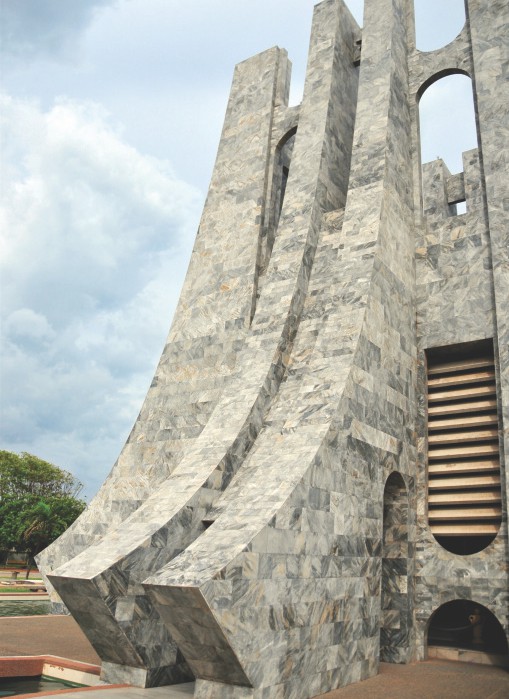
Kwame Nkrumah Memorial Park
In 2024, the number of licensed tourism enterprises significantly increased to 6,702, up from 5,786 the previous year, indicating robust growth in the hospitality sector. Ghana has numerous ecotourism sites spread across its regions. Notable and highly visited sites in 2024 include Kwame Nkrumah Memorial Park, Kakum National Park, Bunso Arboretum, Mole National Park, Paga Slave Camp and Sacred Crocodile Pool, Nzulezu Village, and sea turtle conservation areas in the Central, Northern, and Western regions. The export of industrial art and crafts experienced significant growth, with a compound annual growth rate (CAGR) of 54% from 2018 to 2020, a trend expected to continue given the sector’s vibrancy.
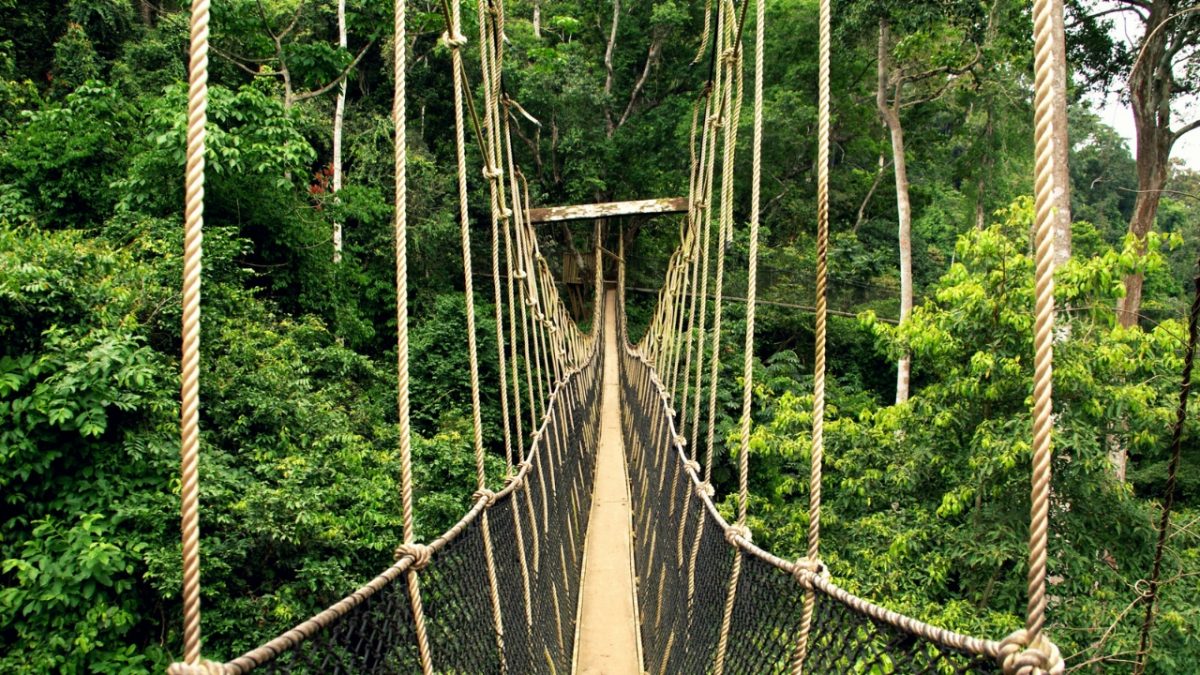
Kakum National Park
Ghana’s population size and growth significantly support the expansion of the tourism and recreation sector. With a population of over 34 million growing at an intercensal growth rate of 2.1%, and an urbanisation rate projected to reach 55% by 2025, there is a rising demand for recreational and tourism activities. This demographic trend creates a robust market for the tourism industry, fostering its growth and development. Ghana’s rapidly expanding telecommunications sector is another crucial factor driving tourism growth. The growth in communication and information technology enhances awareness of Ghana’s culture and branding, ultimately promoting tourist sites and recreational facilities across the nation.
Ghana’s population size and growth significantly support the expansion of the tourism and recreation sector. With a population of over 34 million growing at an intercensal growth rate of 2.1%, and an urbanisation rate projected to reach 55% by 2025, there is a rising demand for recreational and tourism activities. This demographic trend creates a robust market for the tourism industry, fostering its growth and development. Ghana’s rapidly expanding telecommunications sector is another crucial factor driving tourism growth. The growth in communication and information technology enhances awareness of Ghana’s culture and branding, ultimately promoting tourist sites and recreational facilities across the nation.
Building on these successes, the government continues to support the creative arts. Following a US$25 million investment program launched in 2021 to boost the local film and movie production industry, efforts are ongoing to enhance the film ecosystem. A domestic and regional tourism campaign, branded as ‘#ExperienceGhana, #ShareGhana’, launched in 2021, continues to boost local and regional tourism. As part of this initiative, March of every year has been designated as Ghana Month, featuring activities such as ‘See Ghana, Eat Ghana, Wear Ghana, and Feel Ghana’ to promote national pride and cultural engagement. This campaign seeks to enhance the patronage of the tourism industry by encouraging Ghanaians and regional visitors to explore the country’s rich cultural heritage and diverse attractions.
The government has launched the ‘Black Star Experience’ initiative, aiming to further position Ghana as Africa’s top destination for the global diaspora through immersive cultural, historical, and creative arts experiences. The Marine Drive project, initiated in 2017, is an ambitious public-private partnership, estimated to cost around US$1.2 billion, which aims to transform the beachfront stretch from Osu Christiansborg Castle to the Arts Centre into a dynamic business and commercial hub, significantly altering the city’s skyline. Spanning over 240 acres within the ministerial enclave, the project is currently undergoing preparatory works and is high on the government’s agenda for revitalisation, with an expectation to generate over 15,000 jobs upon its completion, driving tourism growth and boosting the national economy.
SECTOR OPPORTUNITIES
- Development of sports infrastructure.
- Development and funding of tourism projects with the support of donor funding and technical assistance.
- Opportunity to develop intermodal transportation systems – including light rail systems and extensive road networks others that allow tourists to travel easily to their destinations.
- There are opportunities to set up companies in travel and tours, handicrafts, music and dance, and other ancillary services to support the industry.
- Opportunities to set up world-class training institutes to provide the human capital development necessary for the seamless operation of tourist sites and recreational facilities, as well as boosting the tourist experience.
INVESTMENT INCENTIVES
- Ghana guarantees investments against expropriation and offers free transferability of profits and dividends for foreign investors.
- Companies in the tourism sector enjoy a corporate tax rate of 22% against the general rate of 25%; a 10% concessionary rate on imported goods for tourist establishments; and import duty exemptions for plant and machinery.
- Ghana has a stable political environment, coupled with a flourishing business environment partly attributed to an excellent labour force.
- Investing in Ghana provides access to the African market through the African Continental Free Trade Area (AfCFTA), which is headquartered in Accra.
Ghana continues to solidify its position as a vibrant domestic tourism destination, with over 1.3 million visits recorded across the top ten tourist sites in 2024. Domestic tourism fuels local economies, revives cultural heritage, and strengthens the threads of unity in our national fabric. This renaissance has been propelled by bold government initiatives revitalising sites, expanding access, and reimagining tourism not as a luxury, but as a right and a responsibility.
Domestic tourism has experienced significant fluctuations over the past six years. The data shows a sustained recovery and growth post-2020, with domestic arrivals increasing year-on-year. In 2024, total visitation to selected sites reached 1,681,985, marking a 19% increase from the previous year and suggesting both stability and growth. Residents constituted 85.4% of total visits, continuing a consistent trend of domestic dominance. However, two exceptions were identified: Kalakpa Resource Reserve (Volta Region) and Nakore Mosque (Upper west Region). At these two sites, non-resident visitors outnumbered residents. Notably, there was a marginal 3% decline in non-resident visits compared to 2023. The data below provides an annual breakdown of visitor volumes to selected tourist sites in Ghana.
The Kwame Nkrumah Memorial Park (KNMP) maintained its status as the most visited tourist attraction in Ghana, accounting for 20% of total arrivals. The top ten list remained largely consistent with the previous year, with the Shai Hills Resource Reserve replacing the National Museum in the rankings. Collectively, these ten sites accounted for a significant proportion of overall visits, with residents forming the bulk of the visitors across most locations.
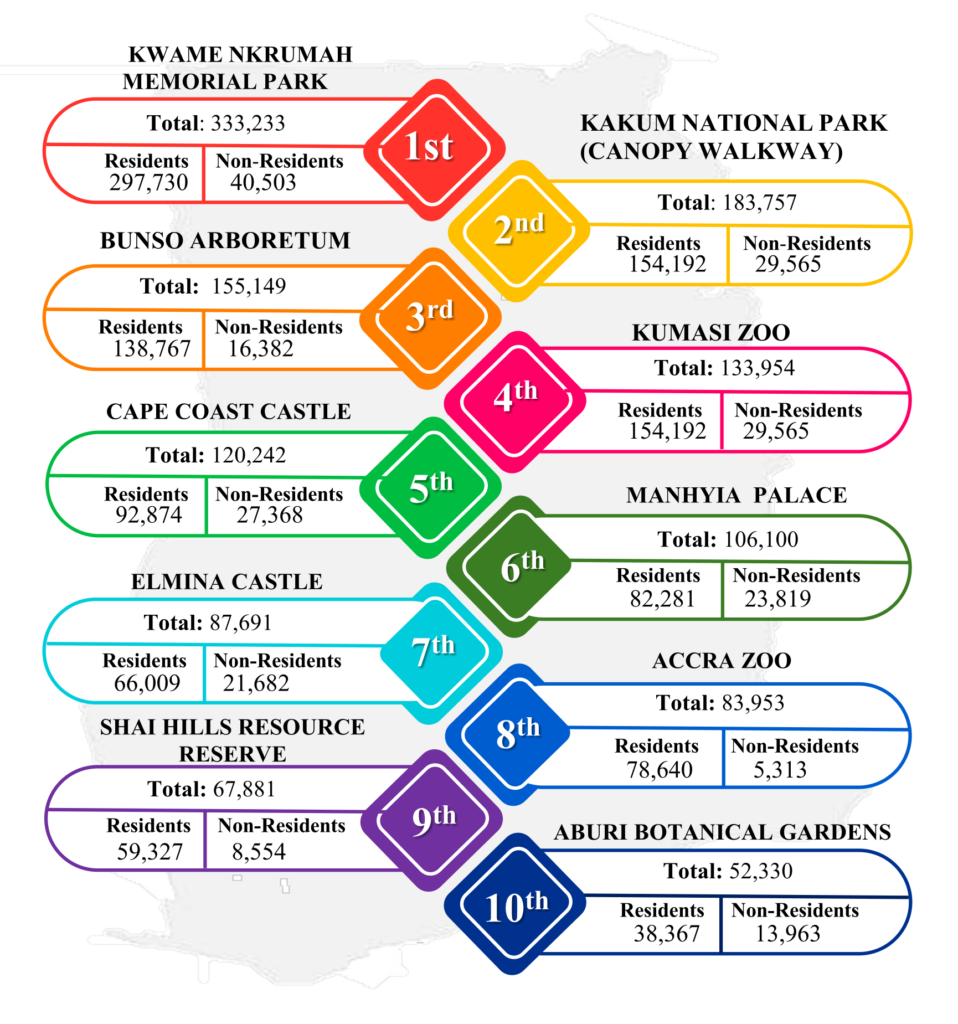
Source: Ghana Tourism Report 2024; Ghana Tourism Authority
https://ghana.travel/wp-content/uploads/2025/07/FINAL-2024-tourism-report-final.pdf




Comments