

 By
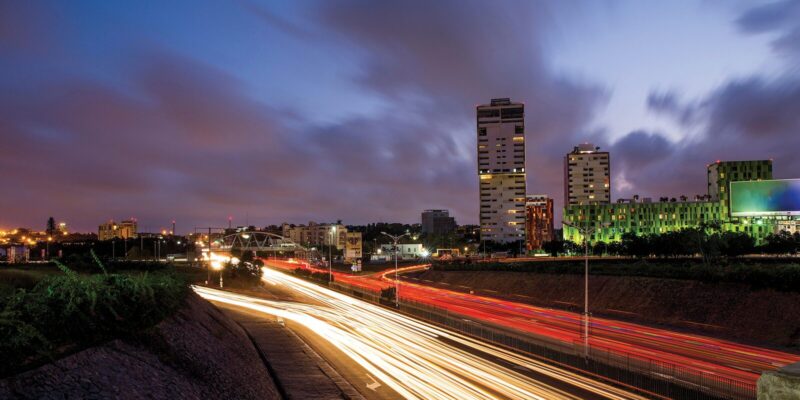
Ghana has cleared US$1.47 billion in legacy arrears and set a target of 3,000 megawatts (MW) of additional capacity by 2030. The distribution network is now the binding constraint, and the reform that follows will define the sector’s investment case.
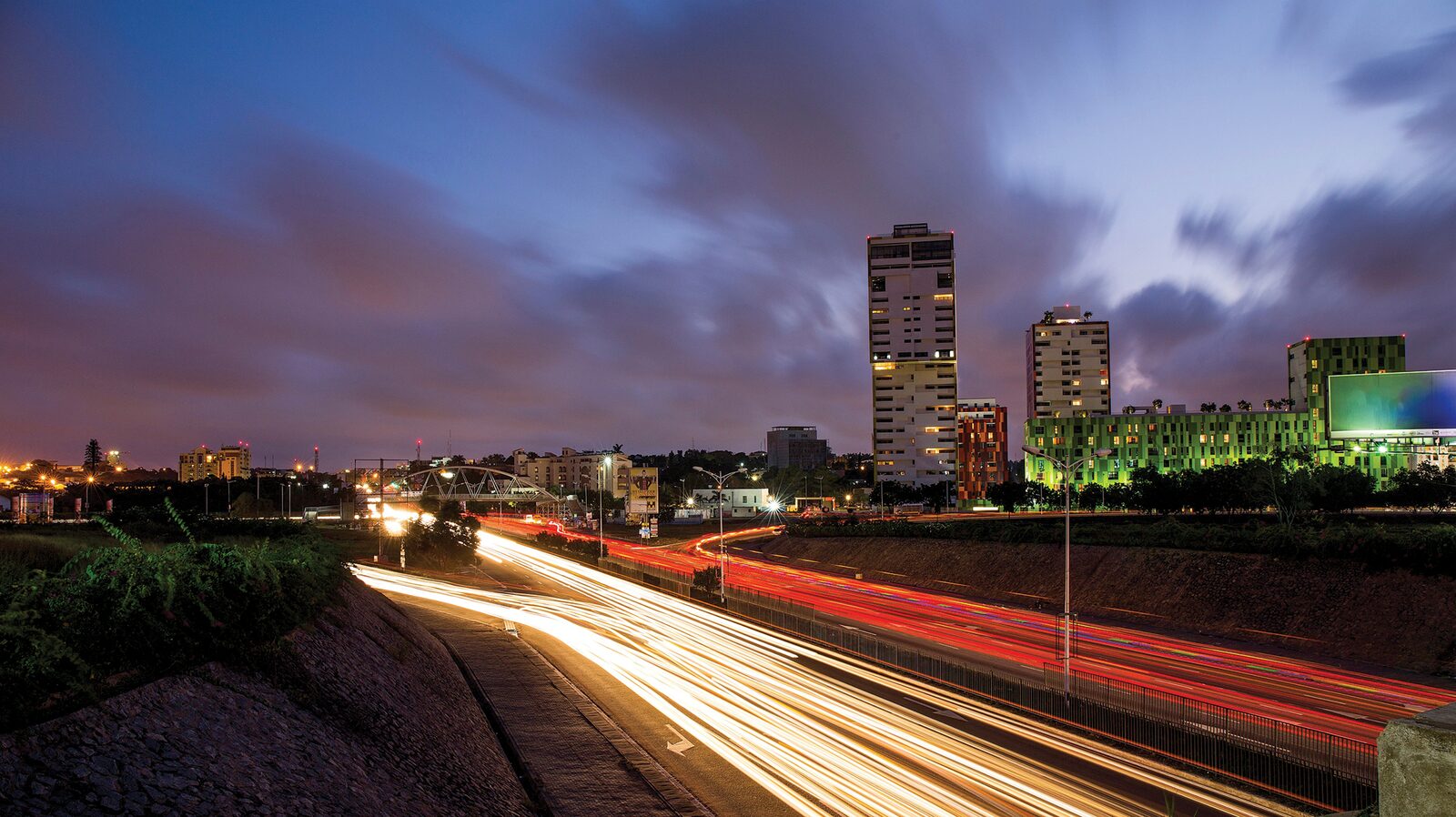
Ghana’s power sector enters this period in a position of qualified strength. Installed generation capacity stands at approximately 5,200 MW, having grown from 2,170 MW in 2011, with dependable capacity of around 4,800 MW. Peak demand reached 3,968 MW in July 2026, leaving a headroom that few West African systems can match. Generation rose 6.2 per cent year-on-year in July, and Ghana remains a net exporter of electricity, supplying Togo, Benin, and Burkina Faso.
The generation mix remains dominated by thermal and hydro. Thermal sources account for roughly two-thirds of output and hydro for around a third, with renewables still contributing well under 1 per cent. Natural gas is the principal fuel for thermal generation, with demand for power generation projected at 185.93 Trillion British thermal units (TBtu) across 2026, supplemented by light crude oil and diesel. Fuel availability remains a binding operational and planning constraint on the system, which is why the upstream gas commitments described in the following section matter as much to the power sector as to the petroleum industry.
THE DISTRIBUTION CHALLENGE
The sector’s central difficulty lies not in generation but in distribution. The Electricity Company of Ghana (ECG), which serves the southern regions and carries the large majority of public distribution load, lost 32 per cent of the electricity it purchased in 2024, the highest level in more than two decades. Those losses do not remain within ECG. They flow into arrears with independent power producers and gas suppliers, and ultimately into the national budget, which is why the government’s programme with the International Monetary Fund (IMF) treats the sector as a fiscal question rather than an energy one.
The scale is significant. ECG’s debt stands at around GH¢68 billion; the IMF flagged a sector shortfall of US$2.2 billion for 2025; and the cumulative financing gap across 2023 to 2026 has been estimated at some GH¢140 billion. Against that, the government’s clearance of US$1.47 billion in legacy arrears during 2025 was a substantive intervention, not a gesture. It comprised roughly US$393 million to independent power producers covering capacity charges and unpaid entitlements, and approximately US$480 million to gas suppliers associated with Sankofa deliveries, and it included the full replenishment of a previously exhausted World Bank Partial Risk Guarantee.
Private sector participation in ECG is targeted for around the turn of the year and forms part of the country’s IMF programme, backed by the World Bank. The Ministry of Energy and Green Transition has been explicit that the state will not sell ECG, framing the arrangement as the deployment of private expertise in specific operational areas. The Trades Union Congress has opposed the framework. For investors, the transaction structure and the functions to be concessioned are the details worth watching.
THE GOVERNMENT HAS SET A TARGET OF 3,000 MW OF ADDITIONAL INSTALLED CAPACITY BY 2030, OF WHICH 30 PER CENT IS TO COME FROM RENEWABLES, FRAMING ENERGY SECURITY AS THE PRECONDITION FOR INDUSTRIALISATION.
CAPACITY, RENEWABLES, AND ACCESS
The government has set a target of 3,000 MW of additional installed capacity by 2030, of which 30 per cent is to come from renewables, framing energy security as the precondition for industrialisation. Under the 24H+ Programme, the 1,500 MW Buipe solar project has been prioritised with an initial 100 MW scheduled to come on stream, alongside compressed biogas plants at Buipe and Damanko. Distributed renewable energy is a further focus, with the government aiming to deploy US$40 million by the end of 2026, though high import duties and limited working capital among smaller firms remain obstacles.
Electricity access is high by regional standards but uneven. National coverage approaches 90 per cent, yet in Northern Ghana only around 60 per cent of the population has access, a gap that both reflects and reinforces regional economic disparity. Closing it is a stated priority of the National Energy Compact, and it is where off-grid and mini-grid solutions have the clearest commercial application.
SECTOR OPPORTUNITIES
- Off-grid and mini-grid solutions for rural customers, particularly across the northern regions where access remains around 60 per cent.
- Utility-scale solar generation, supported by Ghana’s consistent year-round irradiation and the 30 per cent renewables component of the 2030 capacity target.
- Distributed renewable energy, where the government is targeting US$40 million in deployment and a dedicated financing facility is planned.
- Transmission infrastructure to complement and replace ageing assets operated by GRIDCo.
- Private distribution entities, and participation in the forthcoming ECG private sector participation transaction.
- Metering, loss reduction, and revenue protection technology, addressing the single largest source of value leakage in the sector.
INVESTMENT INCENTIVES
- Legacy arrears of US$1.47 billion cleared during 2025, including full replenishment of the World Bank Partial Risk Guarantee, restoring counterparty confidence.
- Sector reform embedded within Ghana’s IMF programme and supported by the World Bank, providing external discipline and monitoring.
- Tariff setting by the Public Utilities Regulatory Commission through quarterly reviews, with commitments to further adjustment for cost recovery.
- Access to regional export markets in Togo, Benin, and Burkina Faso through existing interconnection.
- Under the GIPA Act, 2026 (Act 1173), no blanket minimum capital requirement, with capital adequacy assessed by sector. ■TG






Comments