

 By
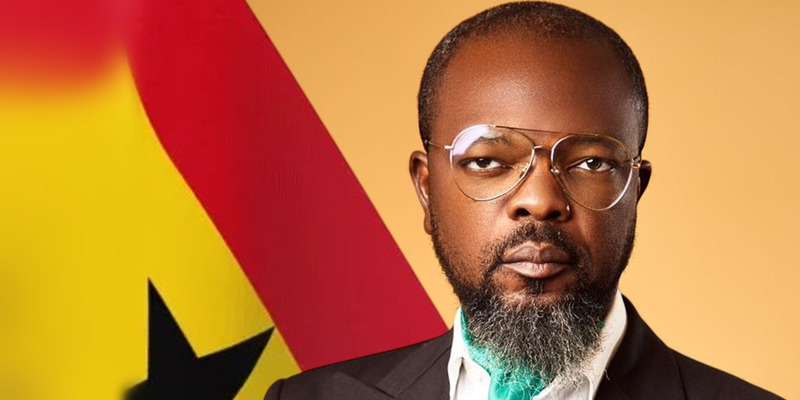
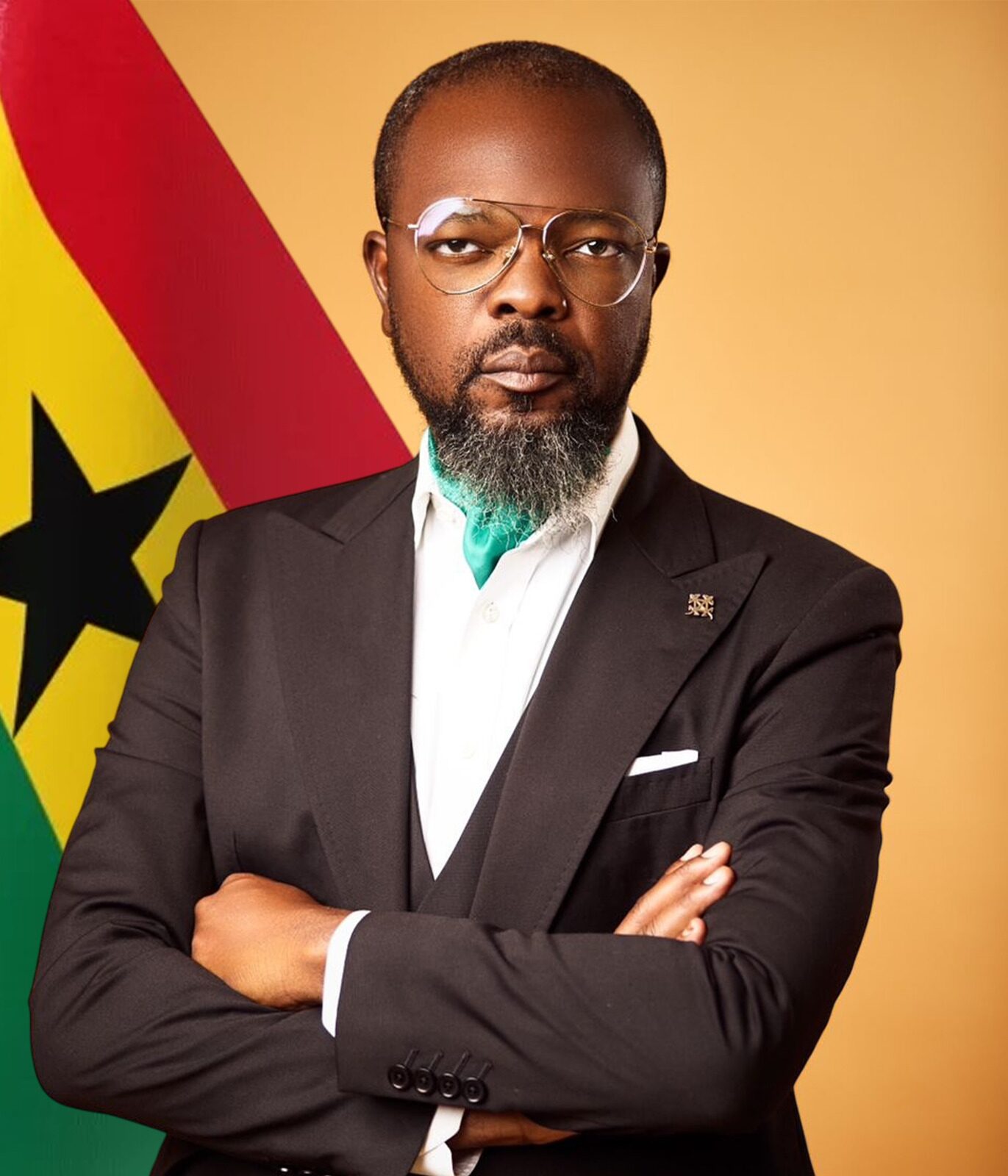
Kofi Okyere Darko, Director, Diaspora Affairs, Office of the President, Ghana
The Diaspora Affairs Office gained global prominence during the 2019 Year of Return. How has its core objective evolved?
Kofi Okyere Darko: The office was established in 2017 and became very prominent in 2019 through the Year of Return, a monumental moment in Ghana’s history. It brought many of our brothers and sisters from the diaspora back to Ghana, especially African-American, Caribbean and Latin American communities. Because of that, many people came to associate the office mainly with the historic diaspora. One of the challenges we identified was that Ghanaians living abroad did not always see the office as equally connected to their needs. We have been intentional about closing that gap. Today, the office is a facilitator. The Diaspora Affairs Office is a good place to start the conversation. We work with ministries, agencies and state institutions, and we have established a 24-hour hotline for members of the diaspora anywhere in the world.
How are you shifting diaspora engagement from temporary holiday tourism towards treating the diaspora as “Ghana’s 17th Region”?
Kofi Okyere Darko: The diaspora has already made a strong contribution to Ghana, and that contribution goes beyond remittances. Officially documented remittances last year were about $8bn, but I believe the actual figure may be closer to $10bn or $12bn, as not all transfers go through formal channels. Our role is to be more deliberate. We reach out to the diaspora, explain the opportunities available in Ghana and connect them to institutions such as the Ghana Investment Promotion Centre, now the Ghana Investment Promotion Authority. The idea of the diaspora as Ghana’s 17th Region must become more than a slogan. Many people tell me: “We send money, we support medical care, we support agribusiness, but we do not have a say in nation building.” President John Dramani Mahama referred to the diaspora as Ghana’s 17th Region at the Diaspora Summit, and we want to build on that.
THE DIASPORA AFFAIRS OFFICE IS A GOOD PLACE TO START THE CONVERSATION. WE WORK WITH MINISTRIES, AGENCIES AND STATE INSTITUTIONS, AND WE HAVE ESTABLISHED A 24-HOUR HOTLINE FOR MEMBERS OF THE DIASPORA ANYWHERE IN THE WORLD.
What formal financial instruments are being considered to channel diaspora capital into national development?
Kofi Okyere Darko: This has taken some time, partly because the previous government’s debt restructuring affected people who had invested in Ghana, including members of the diaspora. That made it more difficult to rebuild confidence around diaspora investment. However, the president mentioned, during his recent trip to the United States, that work is ongoing on a diaspora bond. This is being developed with the Ministry of Finance, and the details are still being worked out. A key question is whether it should be led only by government or developed jointly with the diaspora. My view is that it should be done together. When people feel they are part of decision making, it becomes easier for them to invest.
How is your office collaborating with government agencies to mitigate risks such as property fraud and opaque bureaucracy?
Kofi Okyere Darko: Many people in the diaspora want to invest in Ghana, but they need guidance and confidence that they are working with credible people. Real estate is one of the fastest-growing areas of interest. When a company wants to register with the Diaspora Affairs Office, we conduct background checks to make sure they are authentic and have the necessary documentation in place. If we are going to recommend a real estate developer to someone from the diaspora, we have to know that the developer is credible. This process is designed to prevent people from getting their hands burnt and to build trust in the Office of the President.
As founder of Rhythms on Da Runway, how are you positioning the creative economy as an investment channel?
Kofi Okyere Darko: Because of my background in the creative space, I make sure Ghana’s creative economy is part of every conversation I have with potential investors. President Mahama made a commitment that by the time he leaves office, the creative arts sector should be better than he met it. That is a challenge not only to him, but also to those of us from the creative industries who have been appointed to serve. Several people in key positions are actual creative industry players. I come from fashion and media, with close to 30 years of experience. The Ministry of Tourism, the Ghana Tourism Authority and the Black Star Experience also have people who understand the sector from the inside. We are practitioners.
LEGACY IS ABOUT THE EFFECT WE HAVE ON PEOPLE. IT IS NOT ONLY ABOUT PHYSICAL INFRASTRUCTURE, ALTHOUGH WE MAY BUILD OR EXPAND FACILITIES. THE REAL LEGACY OF THE OFFICE WILL BE HOW WE SUPPORT PEOPLE, HOW WE MAKE GHANA SAFER FOR THEM, AND HOW WE MOVE BEYOND SLOGANS
What legacy are you hoping to build, and what message would you like to share with the diaspora?
Kofi Okyere Darko: For me, legacy is about the effect we have on people. It is not only about physical infrastructure, although we may build or expand facilities. The real legacy of the office will be how we support people, how we make Ghana safer for them, and how we move beyond slogans. Ghana is often called the gateway to Africa, but we also want it to be seen as the safest way to invest in Africa. Whether someone is a member of the diaspora or simply has an affection for the continent, we want them to think of Ghana as a place where they can invest, engage and build for the long term. ■TG





Comments