

 By

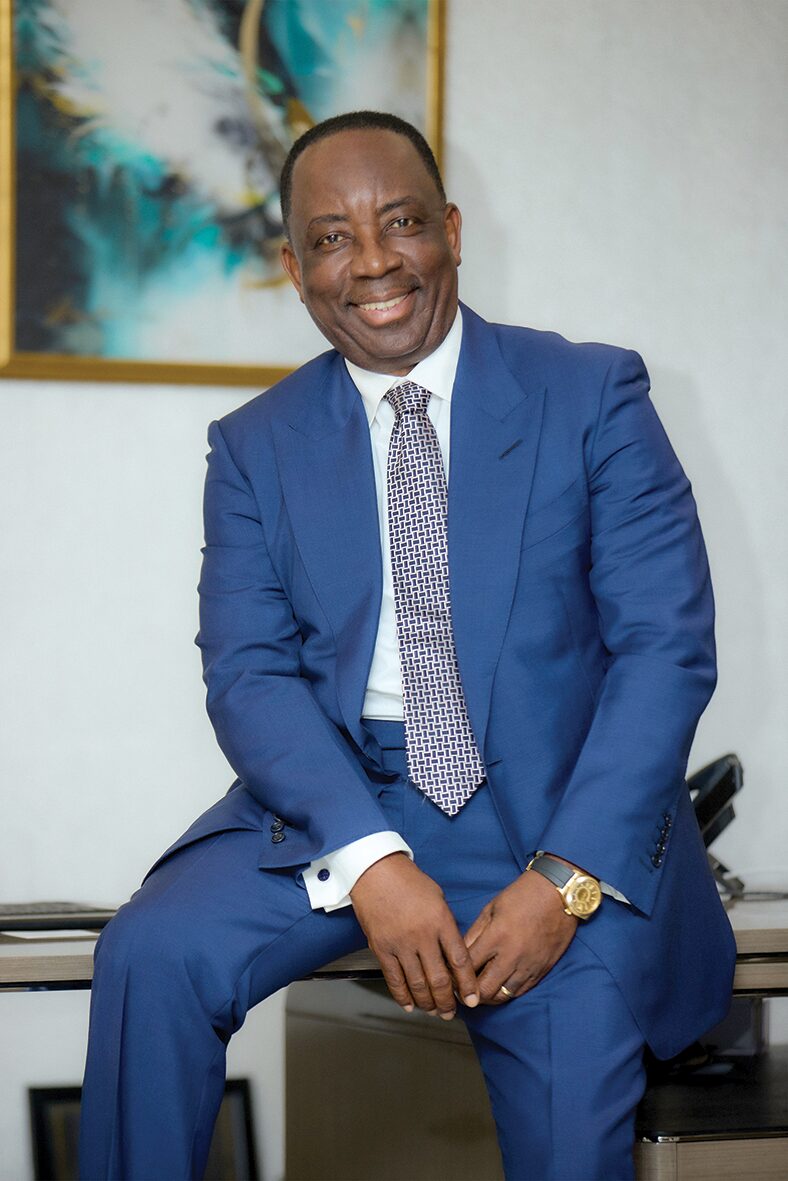
Alex Apau Dadey, Executive Chairman, KGL Group
You have steered KGL Group from a specialised technology provider to a diversified conglomerate. What has been the defining milestone that validated your vision of a technology-driven, wholly Ghanaian enterprise?
Alex Dadey: The defining milestone has been demonstrating that a wholly Ghanaian-owned enterprise can build sustainable businesses, deploy technology that meets international standards at scale, and create meaningful impact across multiple sectors while remaining deeply connected to the communities from which we derive value. When we started KGL, our vision was to build a transgenerational enterprise capable of creating high-value growth through innovation, strong corporate governance, disciplined execution and strategic investment. We have since evolved from a specialised technology business into a diversified group with interests spanning fintech, fuel automation, real estate, logistics, trading and social impact. What gives me the greatest fulfilment is not that expansion, but the tangible difference our work makes in the lives of people and communities across Ghana. Through the KGL Foundation, our investments in healthcare, education, youth development, sports and community empowerment have supported more than one hundred initiatives, positively impacting hundreds of thousands of lives. They reflect our belief that businesses have a responsibility not only to create wealth, but to create opportunity, restore dignity and contribute to the long-term development of society.
How is KGL positioning itself to remain at the forefront of innovation and digitalisation while creating meaningful impact for businesses, communities and economies?
Alex Dadey: We do not view technology as an end in itself. We view it as a strategic enabler of progress, one that enhances productivity, promotes inclusive growth, strengthens competitiveness and creates sustainable value for businesses, communities and economies. Our approach to innovation has therefore been deliberate and long-term. Remaining at the forefront of digital transformation requires more than adopting new technologies. It requires investing in talent, building the right partnerships, strengthening governance frameworks and cultivating an organisational culture that embraces continuous learning, adaptability and responsible innovation. KGL is positioning itself to remain future-ready by exploring emerging technologies, strengthening its digital capabilities and developing solutions that respond to the changing needs of businesses and consumers. Artificial intelligence will undoubtedly reshape how organisations operate, make decisions and engage with customers. We see significant opportunities there, particularly in operational efficiency, decision-making, customer experience and more intelligent and responsive systems.
I HAVE ALWAYS MAINTAINED THAT GOVERNMENTS DO NOT CREATE WEALTH; THE PRIVATE SECTOR DOES. BUT IT NEEDS A STABLE POLICY ENVIRONMENT TO THRIVE, ALIGNING PUBLIC AMBITION WITH PRIVATE SECTOR CAPABILITY TO DRIVE SUSTAINABLE GROWTH AND TRANSFORMATION.
You have always highlighted the importance of collaboration between the public and private sectors. What role should such partnerships play in accelerating Ghana’s economic transformation?
Alex Dadey: I have long maintained that no nation has achieved sustained economic transformation through government action alone. Equally, no private sector can thrive without a stable and enabling policy environment. The most successful economies are those that have effectively aligned public ambition with private sector capability. Public-private partnerships should be viewed not merely as financing arrangements. The government provides the policy direction, regulatory certainty and institutional framework necessary for growth, while the private sector contributes innovation, capital and execution. When these strengths are aligned, they create the conditions for transformation. There is often a perception that the private sector is driven solely by profit. While profitability is essential for sustainability, truly successful enterprises understand that long-term value creation extends far beyond financial returns. Businesses create jobs, develop talent, generate tax revenue, drive innovation and contribute to national competitiveness. The government creates the enabling environment; the private sector creates value within it. Ultimately, the countries that succeed are those where the government creates the conditions for opportunity and the private sector transforms that opportunity into productivity, competitiveness and prosperity.
You have consistently argued that the African diaspora represents one of the continent’s greatest untapped assets. How can African countries better harness it to accelerate economic transformation?
Alex Dadey: The African diaspora represents one of the continent’s greatest yet most underutilised development assets. While remittances play an important role in supporting households and local economies, I believe we do the continent a disservice when we reduce diaspora engagement to financial transfers alone. In many African countries, remittance inflows exceed Foreign Direct Investment and Official Development Assistance. However, the true value of the diaspora extends far beyond capital. It encompasses knowledge, expertise, innovation, global networks, entrepreneurial experience and exposure to world-class institutions and markets. Across the world there are Africans leading global corporations, pioneering scientific breakthroughs, managing investment funds, advancing technology and shaping public policy. African countries must move beyond viewing diaspora engagement as a ministry function or an occasional conference discussion. It must become a deliberate national development strategy, with credible platforms for skills transfer, knowledge exchange, investment collaboration, mentorship and enterprise development.
You have spoken extensively about the need for Africa to produce more business champions. What does it take to build a business capable of creating value across generations while remaining globally competitive?
Alex Dadey: From my experience, the first requirement is a shift in mindset. We must move beyond building businesses for immediate success and begin building institutions designed for longevity. Great enterprises are not defined solely by profitability; they are defined by their ability to create value consistently, attract talent, earn trust, adapt to change and remain relevant over time. Too often, businesses are built around individuals rather than institutions. Succession should not be treated as an event; it must be approached as a deliberate and ongoing strategy. Equally important is the ability to compete beyond local markets. African businesses must be ambitious enough to embrace innovation, invest in talent, uphold high standards of governance and pursue excellence that meets global expectations. At the same time, truly great enterprises understand that their success is inseparable from the success of the societies in which they operate. It requires leaders who are prepared to think beyond election cycles and themselves, invest for the long term and build enterprises capable of creating value for generations to come. Across the continent there are profound examples of entrepreneurial achievement where individuals have transformed modest starts into flourishing ventures. Yet these institutions often fail to endure beyond their original architects, faltering at succession and dissolving accumulated capital rather than growing it for the next generation. To cultivate African business champions, we must view family wealth as a strategic asset for long-term economic transformation rather than a simple inheritance. Our focus must shift from the legacy we bequeath to our children toward the institutional foundations that empower them to build. It requires a huge shift in thinking, but one that is necessary for our growth as a continent. ■TG








Comments