

 By

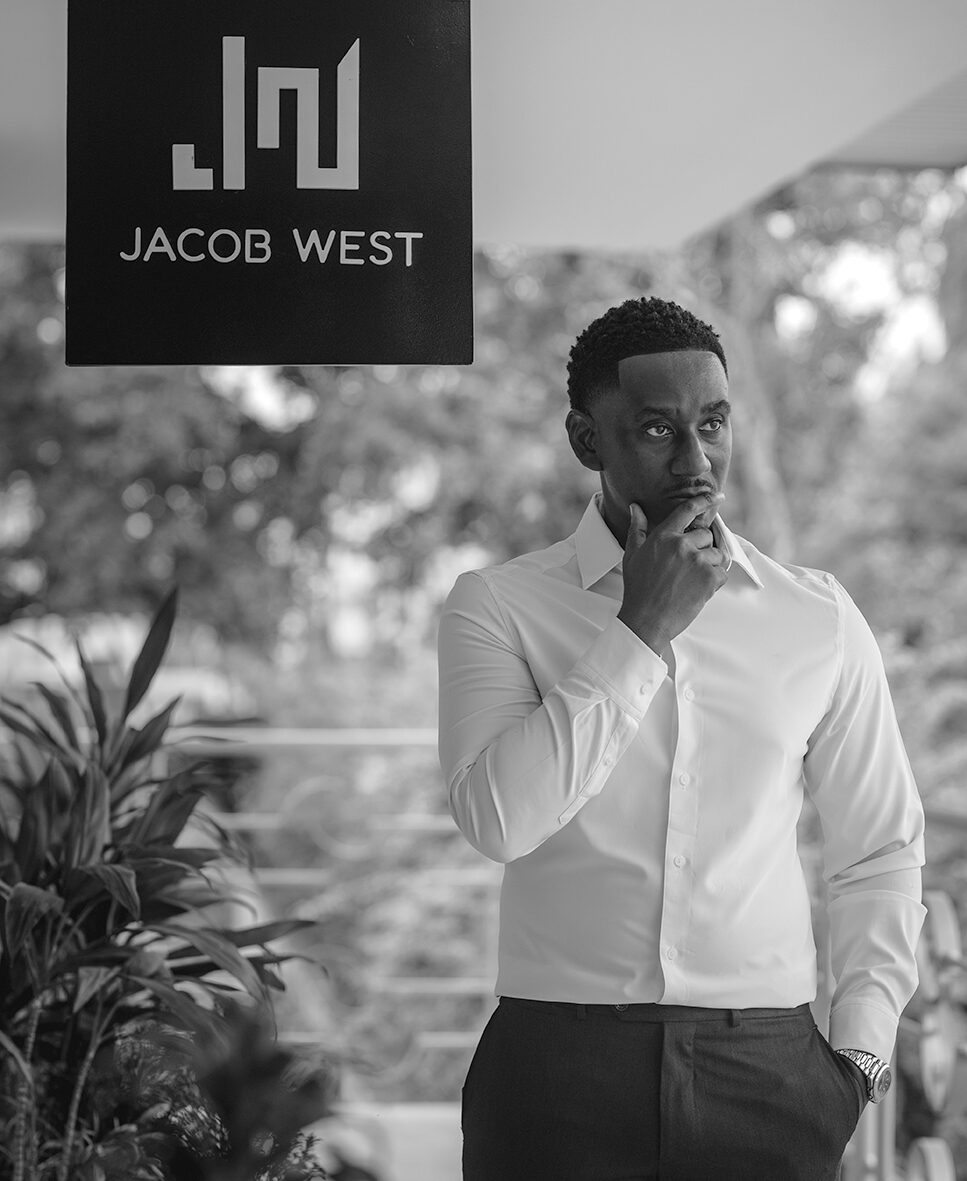
Michael Kyei-Ayensu, Founder & CEO, Jacob West Ltd (Ghana)
Land ownership in Ghana is famously complex, with customary and state land, leaseholds, and the ever-present fear of litigation or “land guards.” How real are these risks, particularly for diaspora buyers, and how does Jacob West protect someone investing from thousands of miles away?
Michael Kyei-Ayensu: The risks are real, and the worst thing anyone in this industry can do is pretend otherwise. Ghana has different forms of land ownership, overlapping interests and, in some cases, poor records. For someone living abroad, distance makes that uncertainty even more dangerous.
At Jacob West, our starting point is simple: do not fall in love with the land before you understand the land. We work with independent legal professionals to establish ownership, trace the chain of title, conduct searches at the Lands Commission and examine site plans, indentures, leases, encumbrances and competing claims. We verify physical boundaries, engage relevant customary or family authorities, investigate the history on the ground and consider planning and development requirements before construction. Documentation must agree with physical reality.
We create a structured process around contracts, payment milestones, reporting, approvals and construction updates, so clients can see where their money is going and the progress achieved. Transparency, regular communication and our “Behind the Build” approach are therefore essential.
Why trust our process? Not because we claim Ghana has no risk, but because we respect the risk enough to manage it properly. Trust is evidence, consistency and accountability over time. If a developer becomes uncomfortable when you ask for documents, slow down. A serious investment should survive serious questions.
You built a successful property and finance business in the UK, then walked away from it after the 2008 crisis to start again in Ghana. “From hero to zero,” as you have put it. What convinced you that Ghana was worth that risk, and would you make the same decision again today?
Michael Kyei-Ayensu: Ghana was worth the risk because I did not see a country with nothing; I saw a country with unfinished potential. The 2008 financial crisis taught me that no position is permanent. You can move from hero to zero very quickly. It stripped away the comfort of titles and forced me to ask where my knowledge, resilience and energy could make the greatest difference.
I chose Ghana. I was born and raised in London, but Ghana was never foreign to me; my culture, family history and identity were always present. Moving here was therefore more than a commercial decision; it was a decision to contribute. I could see the housing need, the growing diaspora interest and the opportunity to deliver contemporary developments with African identity. Many people said, “Ghana is not ready.” My response was that somebody has to help make it ready.
“THE NEW AFRICA ALREADY EXISTS” IS OUR BELIEF THAT CONTEMPORARY LIVING, AFRICAN IDENTITY, INVESTMENT DISCIPLINE AND WORLD-CLASS PRESENTATION CAN EXIST TOGETHER. EVERY PROJECT MAKES THAT BELIEF VISIBLE.
Starting again was not romantic. I had to learn a different business environment, rebuild relationships, understand land, labour, procurement and institutions, and create systems where systems were weak. Ghana tests your patience, judgment and mental strength. Pressure can either expose you or build you. It built me.
Would I do it again today? Absolutely—with more structure and fewer assumptions. I would still choose Ghana because the responsibility is higher here, but so is the opportunity to create impact. The New Africa Already Exists. Our job is not to wait for somebody else to validate it; it is to organise it, build it and present it to the world with confidence.
Diaspora clients often arrive with a UK or US mindset about timelines, systems and paperwork. What are the most common and costly mistakes you see, and how do you steer them away from them?
Michael Kyei-Ayensu: The first mistake is assuming Ghana will operate exactly like the UK or US. It will not. That does not mean standards should be lowered; investors must understand the terrain and build the right controls around it.

Margaret Court
The second is buying emotionally. A family connection, attractive price or beautiful location is not due diligence. Some buyers purchase land during a short holiday, rely on one introduction and return abroad believing it is settled. Others send money directly to relatives, contractors or agents without clear contracts, approved budgets, measurable milestones or independent professional oversight.
The third is focusing only on the purchase price. Buyers forget legal fees, permits, infrastructure, utilities, drainage, access roads, foreign-exchange movements, maintenance and delays. A cheap acquisition can become an expensive problem. Empty land may appreciate, but litigation appreciates too.
We begin with purpose: is this a home, income-producing asset, long-term investment or future relocation plan? Then we assess location, title, demand, infrastructure, exit options and the delivery team. We document responsibilities, payments and timelines, communicate honestly and avoid promises the environment cannot support.
My advice to every diaspora buyer is direct: do not invest in Ghana from excitement or fear of missing out. Invest from knowledge. Keep your international standards, but combine them with credible local intelligence. Ghana rewards patience, verification and structure.
For someone buying a home in Ghana for the first time, what factors genuinely determine whether it is a good investment, beyond finishing and marketing images?
Michael Kyei-Ayensu: I would focus on four fundamentals.

Bethel Gardens
First is legal certainty. If the title, lease, planning position or ownership history is unclear, nothing else matters. A beautiful property on disputed land is not an asset; it is a liability wearing good finishes.
Second is location with real demand—not simply a fashionable name. Study access roads, drainage, utilities, security, employment centres, schools, healthcare, retail and the direction in which the area is developing. Location must be judged by how people will actually live, rent and move, not by a pin on a glossy brochure.
Third is the developer’s ability to deliver and remain accountable. Look beyond renders. Ask what the team has completed, how the project is funded, who the consultants are, how variations are handled and how often buyers receive evidence-based updates. The cheapest offer from the weakest team is rarely the best value.
DO NOT JUST ASK, ‘DO I LIKE THIS HOUSE?’ ASK, ‘WILL THIS ASSET STILL MAKE SENSE WHEN THE EXCITEMENT HAS GONE?’
Fourth is long-term usefulness. Who will buy or rent it from you? What are the service charges and maintenance demands? Is the layout practical? Can the surrounding infrastructure support the lifestyle being advertised? A home should provide security and memories, but an investment must also have a credible path to income, value preservation or resale.
The most overlooked factors are drainage, access, management, running costs and exit strategy. Serious investors investigate what can damage value. Do not just ask, “Do I like this house?” Ask, “Will this asset still make sense when the excitement has gone?”
Trust is the currency of your business. How do you want Jacob West to be perceived, and what is the single most important message you want a prospective investor to take away?
Michael Kyei-Ayensu: I want Jacob West to be perceived as a company that tells the truth, does the work and stands behind what it builds. Not perfect—because construction and development are complex—but accountable. When there is progress, we show it. When there is a challenge, we communicate it. When we make a commitment, we understand that somebody may have placed years of savings, a family dream or a retirement plan in our hands.
Trust is built through the small disciplines people often ignore: punctuality, accurate documents, quality workmanship, returning calls, protecting a client’s money, maintaining the site and paying attention to detail. Brand image is not only what people see; it is what they experience.
Jacob West is also bigger than selling houses. We are challenging the old story that African development must always be explained through deficiency. “The New Africa Already Exists” is our belief that contemporary living, African identity, investment discipline and world-class presentation can exist together. Every project makes that belief visible.
The single message I want a prospective investor to take away is this: do not merely buy property—buy clarity, process and accountability. A house is the final product, but confidence is what you are investing in. We want to earn that confidence before the sale, throughout the build and long after the keys are handed over. ■TG








Comments