

 By
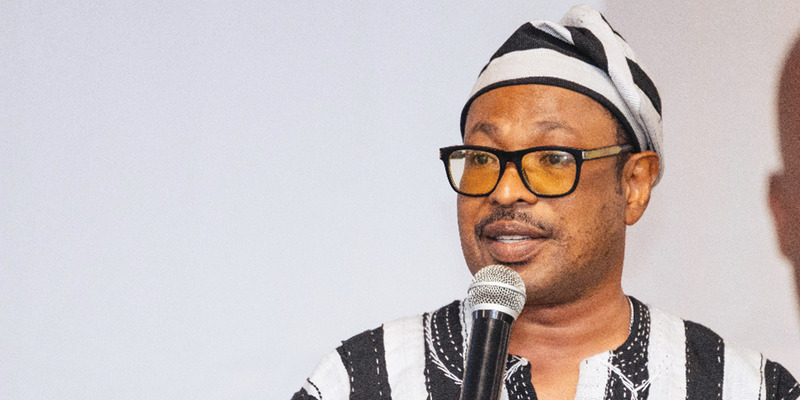
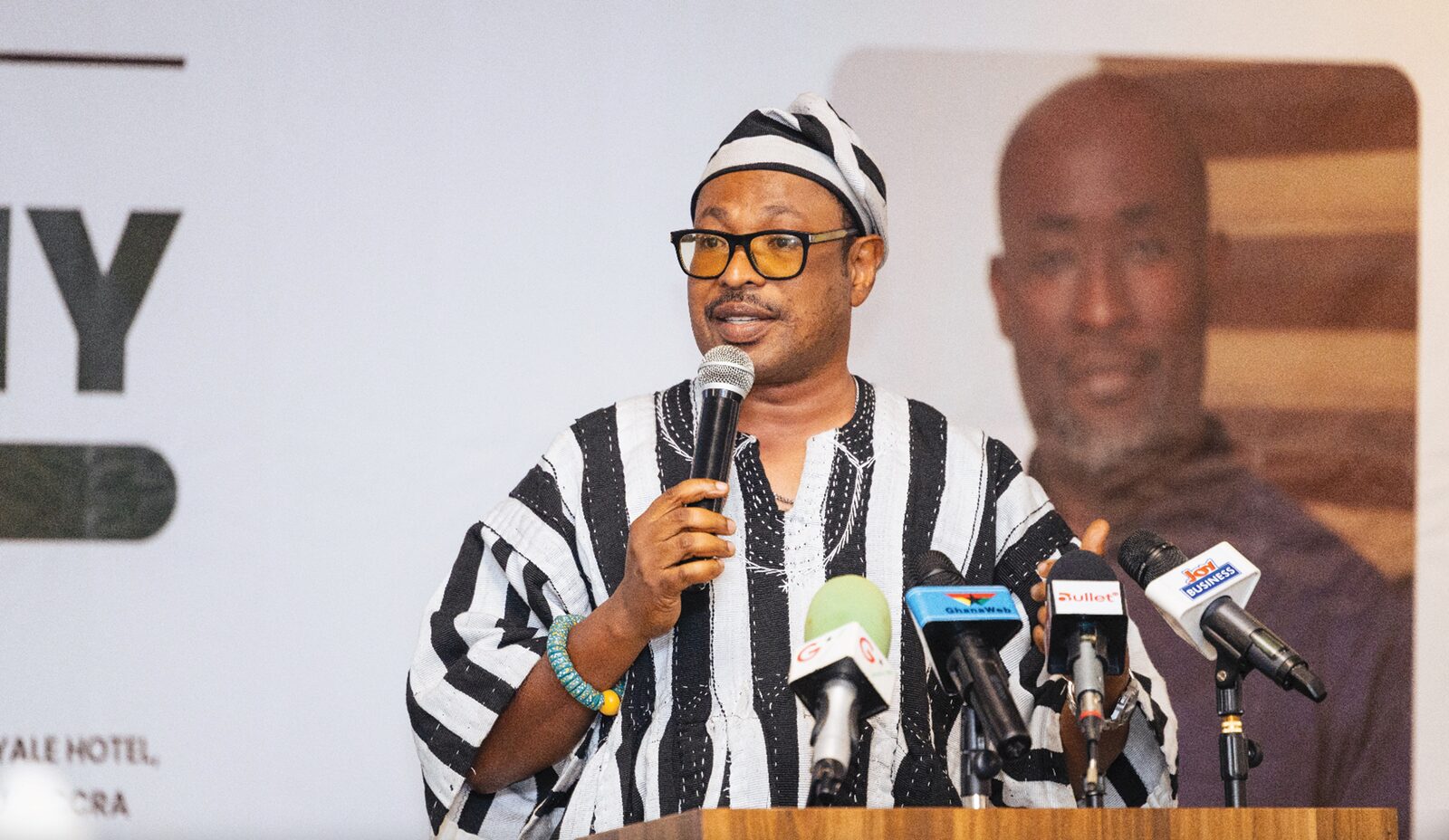
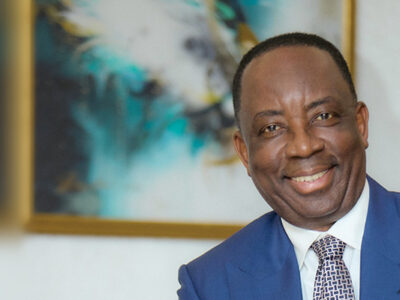
Dr Ishmael N. A. Dodoo, Chief Partnership Officer, 24-Hour Economy Secretariat
With the assent to the 24-Hour Economy Authority Act, how has the Secretariat moved from concept to permanent institutional framework?
Dr Ishmael N. A. Dodoo: Ghana has a strong history of industrial ambition. In the 1960s, the country built industries across several sectors, giving Ghanaians the opportunity to lead production, create jobs and take ownership of national development. Over time, we lost some of that momentum. Since 1992, GDP has grown significantly, but its capacity to generate jobs has declined. In our view, GDP alone does not produce jobs unless it is connected to production, logistics, markets and human capital.
The first step was a policy and programme framework setting out the vision, the priority sectors and the growth poles: agribusiness, manufacturing, textiles and garments, pharmaceuticals, machinery and industrial technology, artificial intelligence, the creative economy and construction. With Act 1164, the 24-hour economy is now an Authority established by law, with a mandate to coordinate Ghana’s economic transformation beyond political cycles.
How do the proposed incentives reduce risk for manufacturers and young entrepreneurs adopting a three-shift system?
Dr Ishmael N. A. Dodoo: The popular way of explaining the 24-hour economy is one job, three shifts, three people. It shows the employment effect, but productivity is broader than shifts alone. It is about maximising all factors of production, including human capital. This is why we see the policy as inclusive. It can involve young people, retired professionals and people with deep practical experience who can mentor others and help operate complex systems.
The incentives are designed around the real concerns of businesses: corporate tax reliefs, duty waivers on industrial machinery, technology and selected raw materials Ghana does not currently produce, and incentives linked to export orientation. Government procurement can also support locally produced goods, while the Authority advocates for businesses at Cabinet level. Our role is to bring ministries, agencies and partners together so entrepreneurs and manufacturers can focus on production, scale and competitiveness.
OUR FIRST TASK HAS BEEN TO TURN THESE [STRATEGIC PROJECTS] INTO INVESTABLE PIPELINES. IF AN INVESTOR WANTS TO KNOW WHERE CAPITAL CAN BE DEPLOYED IN GHANA, WE CAN POINT THEM TO STRUCTURED OPPORTUNITIES.
The 24H+ strategy identifies zones such as the Kumasi Machinery Park and the Volta Economic Corridor. How is the Secretariat channelling foreign direct investment into these hubs?
Dr Ishmael N. A. Dodoo: We describe these as strategic projects. There are about 14 of them, including machinery and technology parks, beverage parks, cassava and vegetable corridors, the Tamale cargo and logistics park, lake transport systems and inland port opportunities. Our first task has been to turn these ideas into investable pipelines. If an investor wants to know where capital can be deployed in Ghana, we can point them to structured opportunities. These projects are being developed through special purpose vehicles, allowing investors to participate through debt, equity or both.
We are also working to de-risk investment through blended finance, including grants where needed. Energy and land are central. We have signed an energy investment expected to support renewable power, biogas technology, battery storage and dedicated park energy models for industrial users. On land, we are using a participatory land assets model, with landowners making land available for agriculture, industrial parks and commercial farming under long-term leases. We want foreign investors, Ghanaians, the diaspora and Ghana-based businesses to own part of these opportunities.
How is the Secretariat aligning policy, regulation and incentives across government?
Dr Ishmael N. A. Dodoo: The 24-hour economy is an all-of-government approach. Every ministry, department and agency has a role. Local government is involved in markets and local infrastructure; transport is central to reducing post-harvest losses and improving logistics; trade is essential for incentives and facilitation; and investment promotion is key to foreign direct investment.
We coordinate at Cabinet level, through the Presidential Advisory Committee, through intergovernmental meetings with chief directors and through working-level collaboration with institutions such as the Ghana Investment Promotion Authority and the Ministry of Trade. When investment platforms are convened, the relevant institutions sit together. The Authority connects these efforts so investors and businesses see one coherent national programme rather than fragmented institutions.
GHANA IS A STABLE AND PEACEFUL COUNTRY WITH SERIOUS INVESTABLE PIPELINES.
What legacy are you aiming to build, and what message would you share with long-term investors?
Dr Ishmael N. A. Dodoo: I am humbled to be part of the foundation of this Authority and to help set out a vision for Ghana’s economic transformation. The legacy I would like to leave is a strong 24-hour economy that generates jobs, creates wealth for Ghanaians and supports industries owned by small and medium-sized enterprises, especially women and young people. I want to see products made through this initiative in supermarkets across West Africa, Africa and beyond.
More than anything, I want Ghana to prosper and leave a stable economy for our children’s children. My message to investors is simple: Ghana is a stable and peaceful country with serious investable pipelines. If investors come with capital or with an idea, we can guide them through the investment architecture, support access to land, connect them to incentives and enable them to invest in a programme built for long-term transformation. ■TG






Comments